

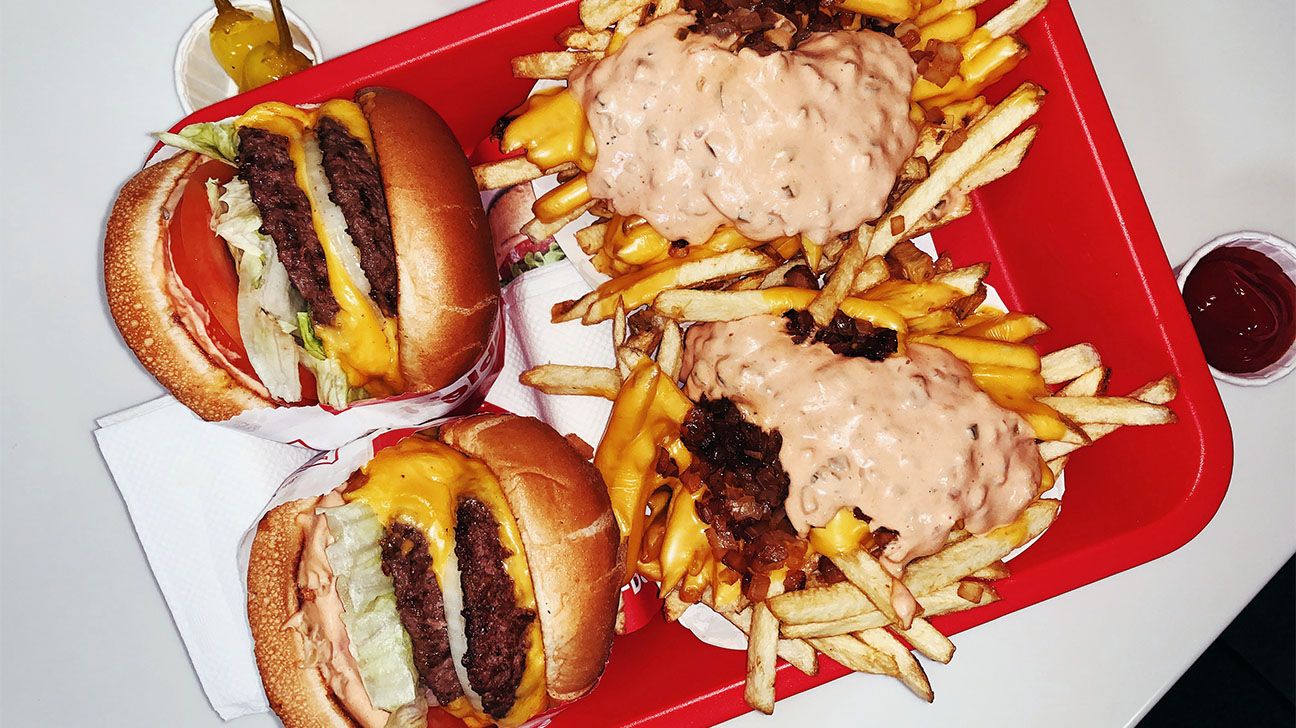
- One new analysis found that highly engineered consumables may be just as habit-forming as cigarettes.
- The researchers observed that these foods are formulated to heighten reward and hasten the absorption of reinforcing components.
- The habit-forming property of these foods implies they fuel uncontrollable eating and interfere with natural hunger cues.
- The review authors recommend that UPFs ought to be governed by policies akin to those for cigarettes.
Currently, there is no one agreed-upon description of ultraprocessed foods. Some people classify them as foods that include components you would not typically use in a home kitchen, for instance stabilizers and artificial substances.
Numerous experts employ the NOVA system to identify ultraprocessed foods. This describes foods that are “combinations of components, mostly of exclusive industrial use, typically created by a range of factory processes and processes.”
One new analysis published in The Millbank Quarterly proposed that UPFs could be as addictive as cigarettes.
“It is my view with this research, as UPFs are specifically engineered to be highly appealing to the majority of people,” noted a bariatric surgeon who was not involved in the study.
Research from last year suggests that over 73% of the foods available in the America is classified as highly processed.
“Tobacco and UPFs are not just whole foods but scientifically formulated consumable products engineered deliberately to maximize physical and mental reward and habitual overuse,” wrote the review’s authors.
Are UPFs Addictive?
This analysis integrated data from addiction, historical health policy, and dietary science in order to identify sensory and structural characteristics that enhance the reinforcing potential of both cigarettes and ultraprocessed foods.
“It’s not all people is ‘addicted’’ to these foods, but for a meaningful minority, they elicit typical addiction-like behaviors: intense desires, loss of control, and continued use even with harmful consequences,” explained a preventive cardiology dietitian.
“These products are deliberately engineered with processed carbohydrates, added fats, salt, and flavor enhancers to maximize reward and ongoing intake, and the food sector employs persuasive advertising strategies, particularly aimed at young people,” she continued.
The authors examined several important factors:
- delivery speed
- hedonic engineering, or designing foods to be extremely pleasurable
- dose optimization
- widespread availability
- misleading changes, or “wellness branding”
It was observed that, like tobacco, UPFs are carefully calibrated to deliver the optimal amount of sugar.
“Processed carbs trigger dopamine production through the a key neural pathway, whereas lipids do so through intestinal lipid sensing,” the authors noted.
“… Ultraprocessed foods with high levels of processed carbs and extra oils are some of the most potently rewarding substances in the modern diet. Importantly this processed carb and fat combination is rarely found in whole foods.”
The way these foods quickly introduce “feel-good” substances to the brain renders them potentially addictive, similarly to tobacco.
The paper explained that while cigarettes are designed to deliver nicotine quickly, ultraprocessed foods are engineered to be broken down and absorbed quickly, as they usually have minimal dietary fiber. This allows for the body to metabolize lipids and carbohydrates faster.
The researchers also note that UPFs provide intentional flavor bursts that dissipate rapidly and textures that melt in your mouth. This all helps to trigger increased pleasure signals and encourages you to consume additional amounts.
‘Wellness Branding’ in Cigarettes, Ultraprocessed Foods
Based on the review, both the tobacco and processed food industries have historically employed a tactic called “wellness branding.”
This is when products are marketed and reformulated to generate an illusion of less danger while maintaining the essential of their qualities.
This tactic in the tobacco industry became popular in the mid-20th century with the introduction of filter tips on cigarettes.
These were sold as safety features that would catch tar and particles before they entered the respiratory system. Actually, filters offer minimal significant benefit.
Yet, people typically adapted by inhaling deeper or smoking more frequently, which offset any reduction in harmful intake.
Food manufacturers has taken a comparable approach. It employs packaging claims such as “reduced fat” or “sugar-free” to market ultraprocessed foods.
Yet, these items still contain the very highly reinforcing ingredient combinations. The problem is that these changes present a superficial impression of health while the item’s addictive structure and metabolic harms remain intact.
Ought Ultraprocessed Foods Be Regulated?
The authors stated at the conclusion of their review that nourishment and tobacco are not the same thing.
Still, they warned that certain ultraprocessed foods act like engineered consumables rather than actual food. They proposed that health regulations ought to acknowledge this distinction.
“Cigarettes provides a cautionary tale, and smoking regulations provides a source of hope,” the researchers stated.
Due to policies, smoking levels in the US have declined and have “reshaped cultural views of tobacco and diminished trust in the sector.”
“It is my opinion greater education about the harmful effects of UPFs is crucial to lower general consumption and improve population wellness. The strategies used to reduce cigarette consumption have been successful and could be a helpful model for UPFs as well,” said one expert.
“It is not my view ultraprocessed foods should be regulated exactly as tobacco, but they certainly deserve stronger, tobacco-inspired policies: marketing restrictions, clear packaging warnings, stricter standards on wellness assertions, and restrictions in schools or hospitals,” noted another nutrition professional.
The researchers reminded people that minimally processed and unprocessed foods have sustained our well-being for millennia.


